When you are planning groundwork, landscaping or excavation, managing soil waste efficiently is essential. Soil is significantly heavier than most other waste types, and this directly affects the size of skip you should choose. But selecting the correct skip size is not only about volume, as weight limits, safety and compliance also need to be considered. So what size skip do you need for soil? And what should you consider?
Understand why soil is different
Soil may appear straightforward, but it presents unique challenges in skip hire. Unlike general household or mixed construction waste, soil is dense and heavy. This means that even a relatively small volume can quickly reach a skip’s maximum weight allowance.
Most skip hire providers impose strict weight limits to comply with transport regulations and protect their vehicles. Overloading a skip with soil can lead to additional charges, refused collections or delays on site. This is why you should never choose a skip based solely on its physical size.
When hiring for soil removal, you must consider both cubic capacity and permitted weight.
Estimate the volume of soil
Before contacting a skip hire provider, you should estimate how much soil you expect to remove. If you are digging out foundations, levelling a garden or excavating for drainage, calculate the length, width and depth of the area being dug.
For example, if you are removing soil from a trench or patio area, multiplying these measurements will give you a rough cubic metre figure. This helps you determine whether you need a small, medium or larger skip.
If you are unsure, a professional commercial skip hire team can guide you through the calculation.
Why are smaller skips often better for soil?
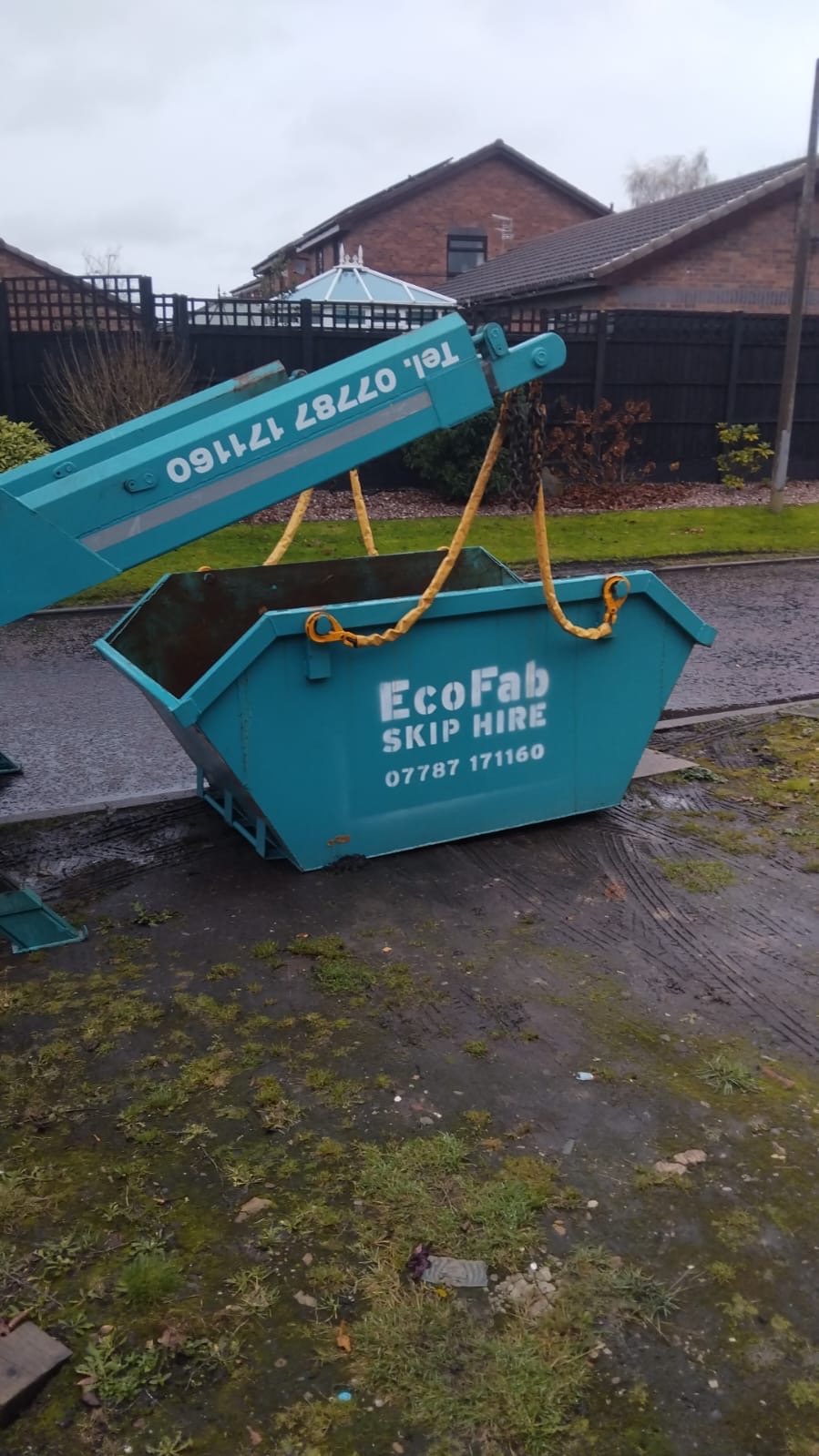
When it comes to soil, smaller skips are typically the safest and most practical choice. A common option is the 4-yard skip, often referred to as a midi skip. Although compact in size, it can hold a substantial amount of soil without exceeding safe weight limits.
In many cases, a 4-yard skip is sufficient for small garden clearances, minor landscaping projects or limited excavation works. Because soil is so heavy, larger skips are rarely filled to the top when used exclusively for this material.
A 6-yard skip, commonly known as a builders’ skip, is another popular choice. However, when used for soil only, it will often need to be filled well below the rim to remain within legal transport limits. A professional team will advise you clearly on safe loading levels.
Consider the weight limits
In the UK, waste carriers must comply with road transport regulations and your skip hire provider must operate within these limits. If a skip is overloaded with soil, it cannot legally be transported. This protects both you and the provider from fines and safety risks.
You should ask your chosen company about specific weight allowances for soil. A reputable team will explain the maximum fill level and may mark the skip internally to guide safe loading.
Think about access and placement
Soil removal projects often take place in gardens, building sites or commercial premises with restricted access. You should assess where the skip will be positioned and how easily soil can be transported to it.
If access is limited, a smaller skip placed closer to the excavation area may be more efficient than a larger container positioned further away. This reduces manual handling and improves site safety.
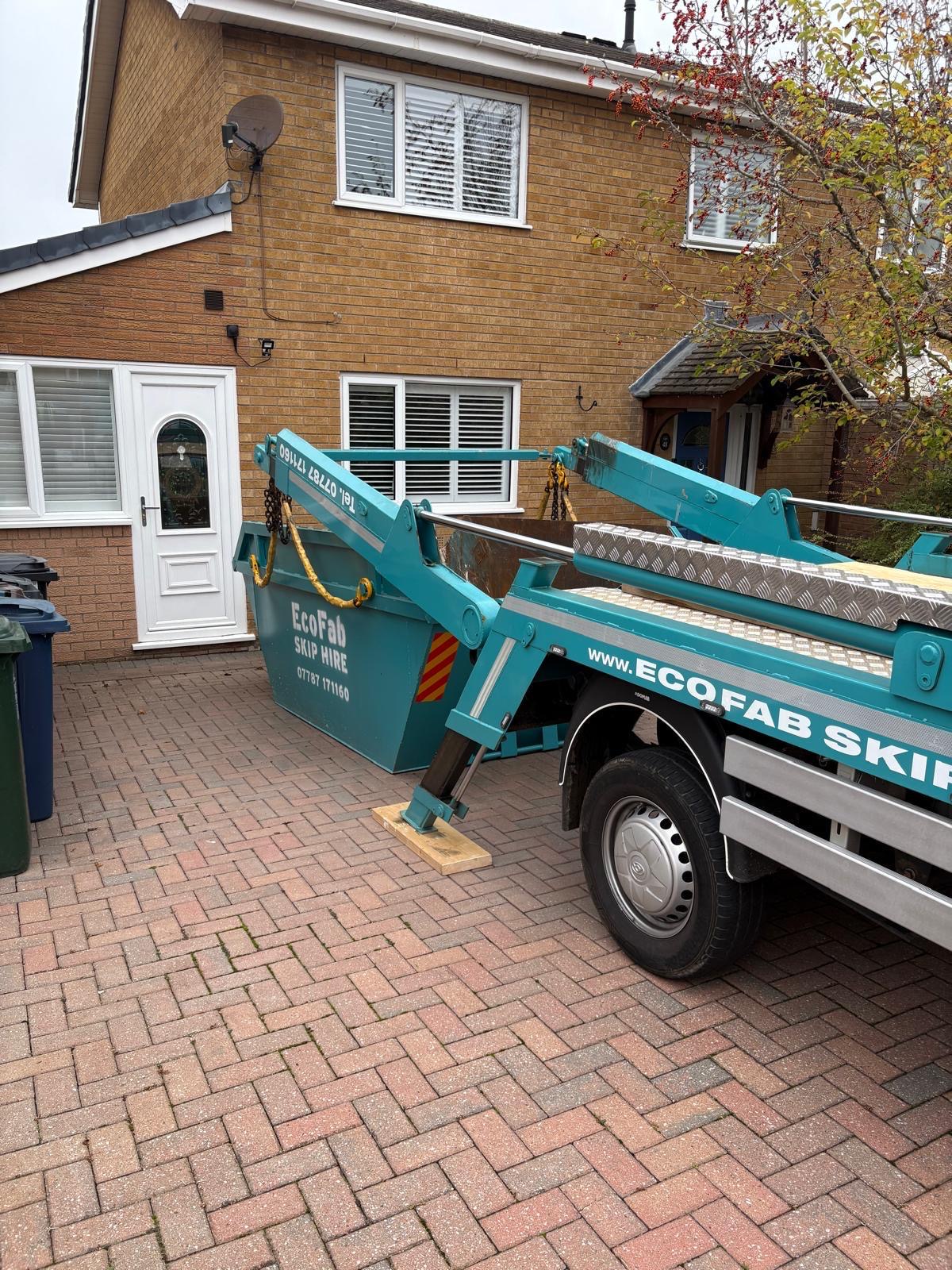
If the skip needs to be placed on a public road, permits may be required from your local authority. A professional skip hire team will arrange the necessary permissions and ensure the skip is positioned safely and legally.
Avoid mixing soil with other waste
Another key consideration is whether the soil will be mixed with other materials. Clean, inert soil is often processed differently from mixed waste. If you combine soil with rubble, turf, roots or general waste, disposal costs can increase.
You should clarify with your provider whether the soil is classified as clean or mixed. Clean soil skips are typically more cost-effective and environmentally efficient, as the material can often be reused or recycled.
Keeping waste streams separate where possible allows your skip hire team to manage disposal responsibly and may reduce your overall charges.
Plan for multiple collections if necessary
If your project involves substantial excavation, you may require multiple skip exchanges rather than one large container. Because soil reaches weight limits quickly, arranging scheduled collections can be a practical solution.
A professional team will work with you to create a collection timetable that aligns with your project schedule. This ensures that full skips are removed promptly and replaced without interrupting your work.
Make a confident choice
Choosing the right skip size for soil involves estimating your volume accurately, understanding weight limits, keeping soil separate from mixed waste and seeking professional guidance.
Here at EcoFAB, we are the number one choice for commercial and domestic skip hire in Chorley and the North West, and we offer a wide range of options to suit any business in any sector. Get in touch today to find out more.